
FORD WETBELT REPLACEMENT
FORD WETBELT REPLACEMENT IN st just,PENZANCE
What is a wet belt?
A wet belt is an engine timing belt that runs inside the engine and is lubricated by engine oil.
Like a conventional timing belt, its job is to synchronise the crankshaft and camshaft(s), ensuring that the engine's pistons and valves operate together at precisely the correct time.
Unlike a traditional timing belt, which runs dry behind a protective cover, a wet belt operates within the engine and is exposed to the engine oil.
Why does a wet belt need replacing?
A wet belt is a wearing and ageing component and, like a conventional timing belt, has a recommended replacement interval.
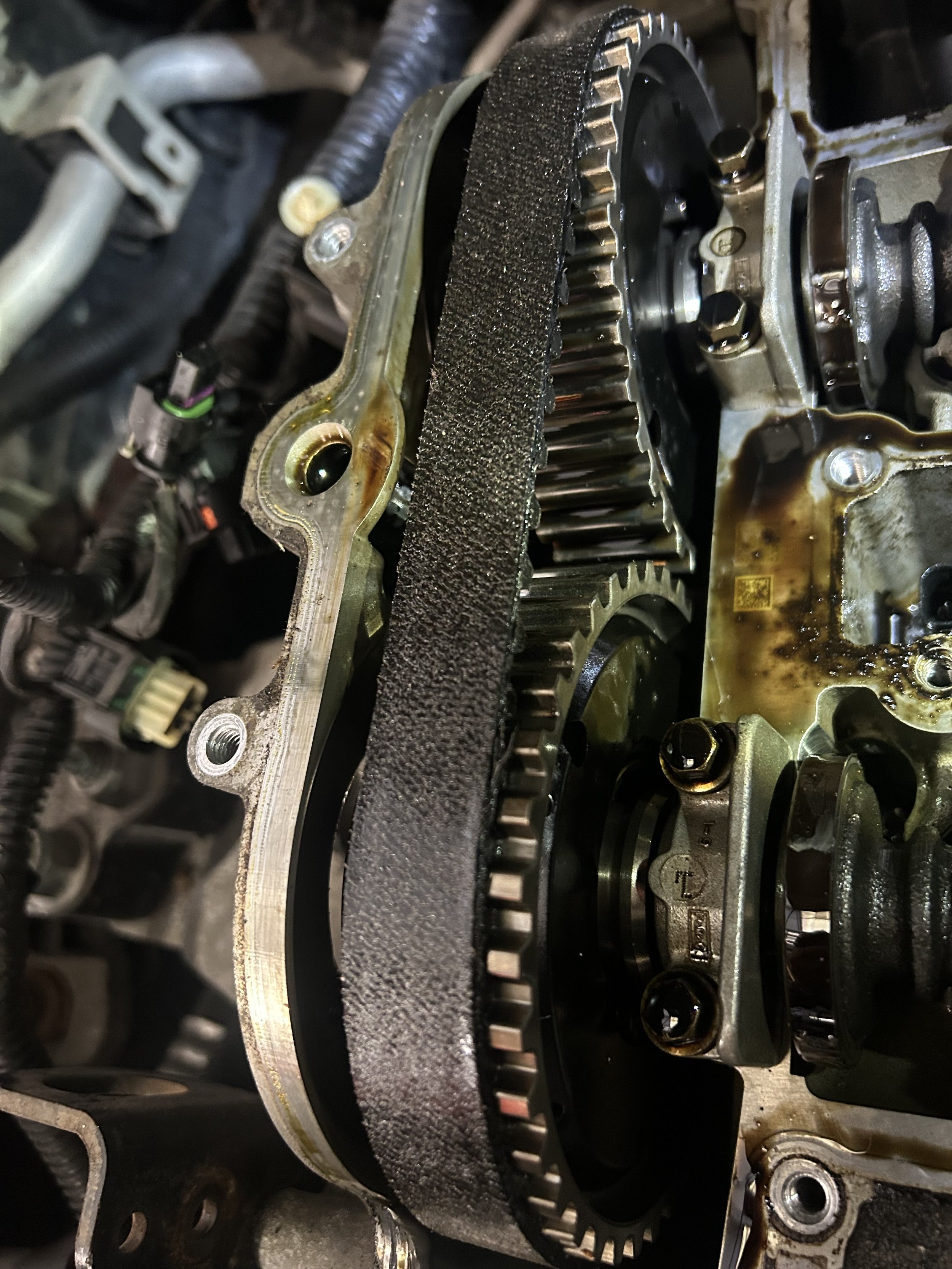
Because it operates in engine oil, the belt can suffer from degradation and deterioration over time. As the belt material breaks down, debris can enter the engine's oil system.
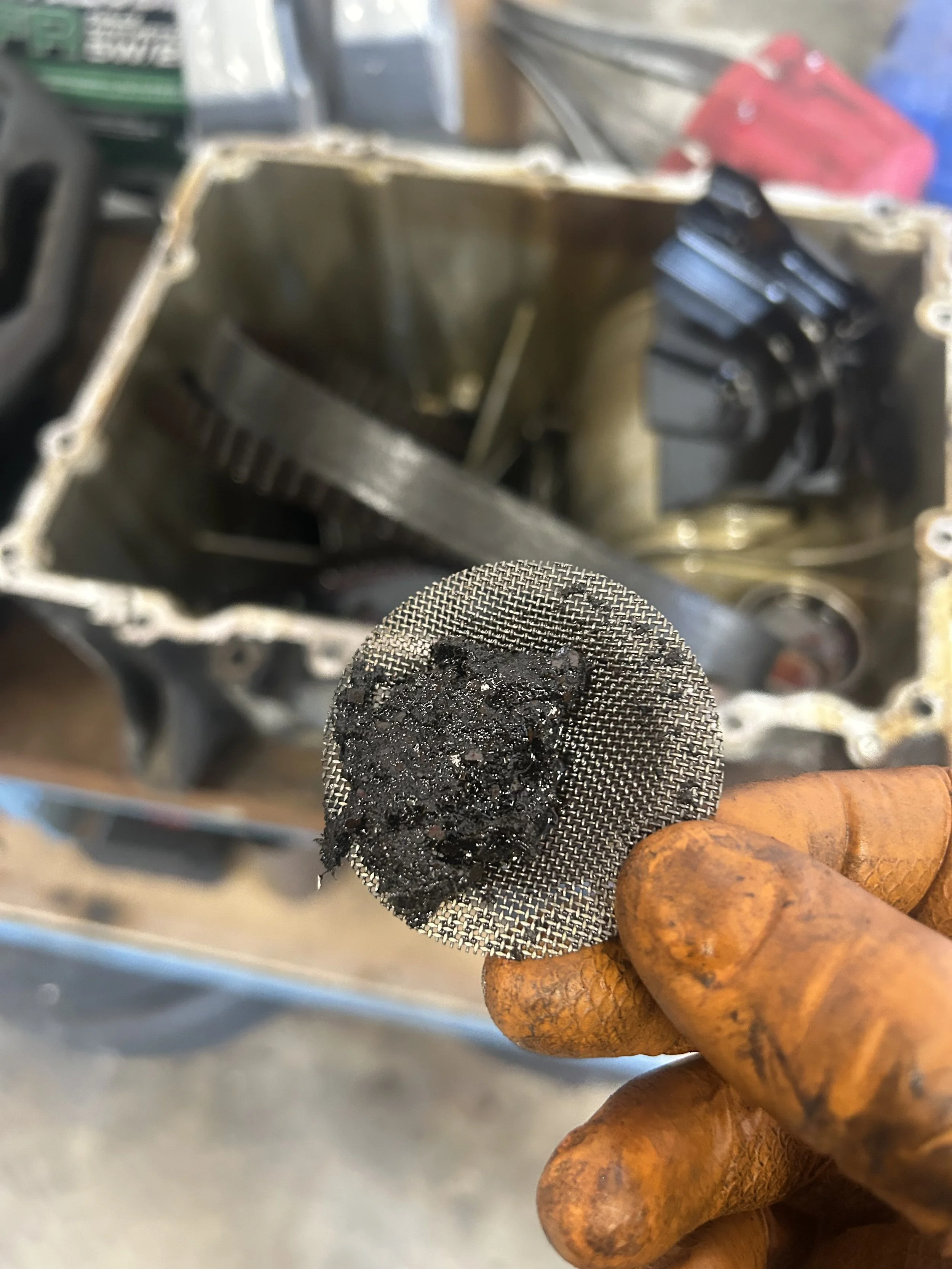
This debris can potentially restrict or block the engine's oil pickup/strainer, reducing oil flow and potentially resulting in serious engine damage or complete engine failure.
In some cases, the belt itself can also deteriorate to the point of failure, potentially causing significant internal engine damage.
For this reason, we believe preventative wet belt replacement is extremely important.
When should a wet belt be replaced?
Ford's original service recommendations for some engines have specified intervals of up to 10 years or 150,000 miles.
At MADD Motors, based on our own experience inspecting these engines and the condition of the belts and associated components we have encountered, we recommend a more preventative approach of approximately 60,000–70,000 miles or 6–7 years, whichever comes first.
What do we do at MADD Motors?
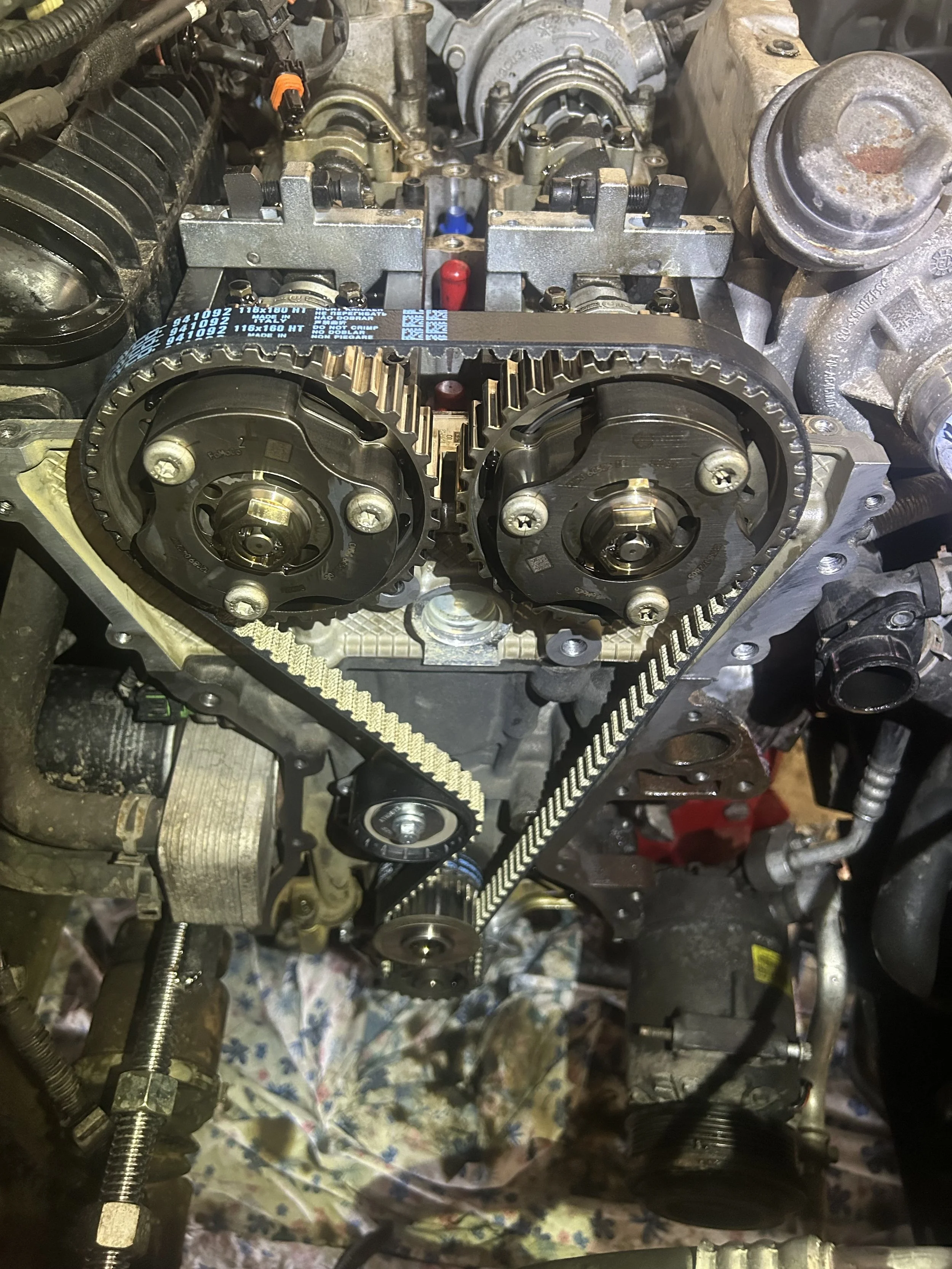
A wet belt replacement isn't simply a case of removing the old belt and fitting a new one.
At MADD Motors, we take additional steps to inspect the engine's oil system for signs of belt degradation and debris.
When carrying out a wet belt replacement, we:
Drain the engine oil
Remove the engine sump
Inspect the oil pickup/strainer for signs of belt debris
Inspect and clean the relevant components
Replace the wet belt and associated components as required
Refill with the correct oil and carry out the necessary checks
1.0 EcoBoost additional inspection
On the 1.0-litre EcoBoost, we also inspect the turbocharger oil feed filter, which is located within the oil feed system.
We check this filter for contamination from deteriorating wet belt material and clean it where necessary.
This is an important part of the process because a restricted oil feed can potentially contribute to turbocharger oil starvation and failure.
It's an area that can be overlooked during a straightforward wet belt replacement, which is why we believe checking the oil system thoroughly is an important part of doing the job properly.
Don't wait for a problem
Wet belt deterioration isn't always obvious before it becomes a serious issue.
If your Ford is approaching its wet belt replacement interval, or you're unsure whether your vehicle is due one, get in touch with MADD Motors for a chat.
Serving customers across West Cornwall, including Penzance, St Ives and surrounding areas.We can discuss your vehicle, its mileage and history and advise you on the appropriate next steps.
MADD Motors Garage
Ford Wet Belt Specialists – Penzance, Cornwall
Contact us today to discuss your wet belt replacement.